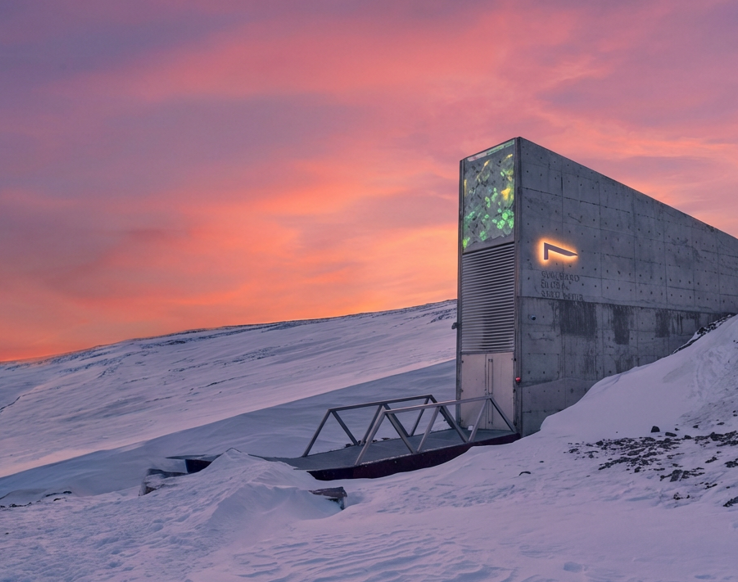
The olive tree enters the “Noah’s Ark” of seeds to safeguard biodiversity
The Olea europaea has secured a place in the renowned Svalbard Global Seed Vault in Norway, the “global seed bank” designed to preserve the world’s agricultural biodiversity at –18 °C. On February 25, a delegation led by the International Olive Council will deposit the first batch of olive seeds.The 25,000 seeds represent around 50 olive varieties from scientific collections such as the World Olive Germplasm Bank of Córdoba at the University of Córdoba, as well as 2,000 wild olive samples collected by the University of Granada from the Canary Islands to Cabo de Gata and Tarifa.Among the native varieties are several that are very well known in Spain, such as Picual, Hojiblanca and Gordal Sevillana. Others include the Moroccan Picholine and Italy’s Frantoio.
Before being stored, the seeds underwent germination tests at the Spanish National Research Council in Madrid to ensure their long-term viability. The Svalbard Global Seed Vault acts as a kind of “genetic insurance policy” against natural disasters, climate change and conflicts. The inclusion of the olive genome is not just a technical step: it is also a symbolic gesture aimed at protecting a millennia-old agricultural heritage and raising awareness about the importance of biodiversity.